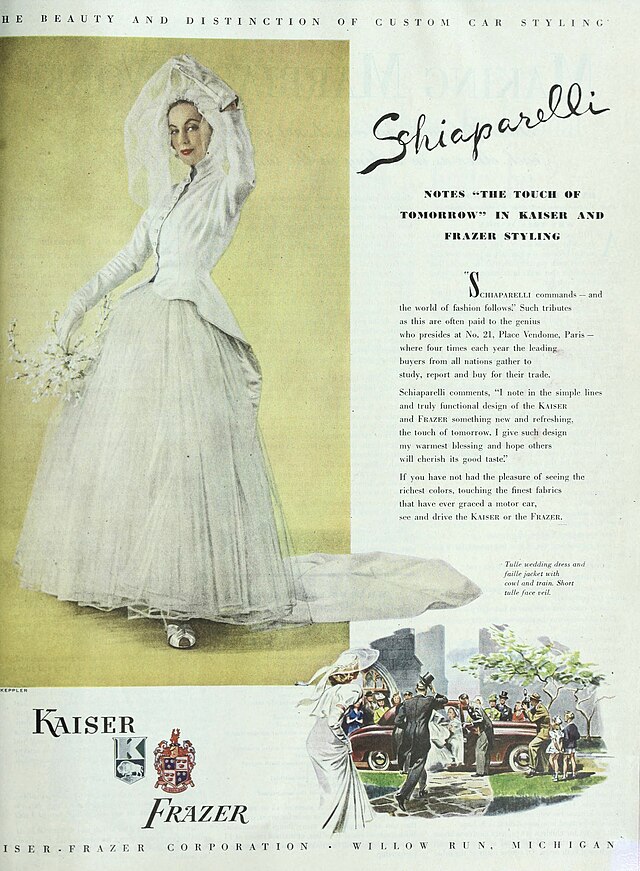
In 2025, Schiaparelli is a global name in the fashion world, celebrated on red carpets, in unforgettable celebrity moments, and through show-stopping runway presentations. Renowned for its remarkable fusion of 1920s Surrealism and haute couture, the brand reflects the visionary spirit of Elsa Schiaparelli. To truly grasp the powerhouse that Schiaparelli is today, however, we must first explore the journey of the woman who brought it to life.
Elsa Schiaparelli was born on 10 September 1890 into a wealthy Roman family. Even as a child, she was described as difficult and rebellious, yet possessed a keen eye for beauty, often striving to live up to the conventional elegance of her sister. Drawn to the arts from an early age—much to her parents’ disapproval—she dreamed of an acting career and delighted in writing poetry, all early signs of the transgressive, boundary-pushing spirit that would later define her legendary brand.
Her true entrance into the fashion industry came after she moved to Paris in 1922, seeking to escape a marriage her parents had planned for her. Just two years later, she met designer Paul Poiret, who recognized her talent and encouraged her to pursue a career in fashion. She began with knitwear collections in 1927, featuring the iconic trompe l’oeil motif on hand-knit sweaters, which grew increasingly experimental over time. By 1932, Schiaparelli employed hundreds of artisans across eight ateliers, and just a year later, the brand expanded internationally with stores in London and New York. Designs such as the elegant yet eccentric ‘Mad Cap’ achieved worldwide acclaim and were widely imitated, cementing her reputation as a boundary-pushing force in fashion.
What made Schiaparelli truly remarkable was her daring to be different. Deeply influenced by the Surrealist movement of the early 1920s—particularly the work of Salvador Dalí—her designs became living art forms. This creativity manifested in innovations such as a compact powder case shaped like a rotary telephone dial in a collaboration with Dali and later the iconic lobster dress inspired by Dali’s Lobster Telephone.
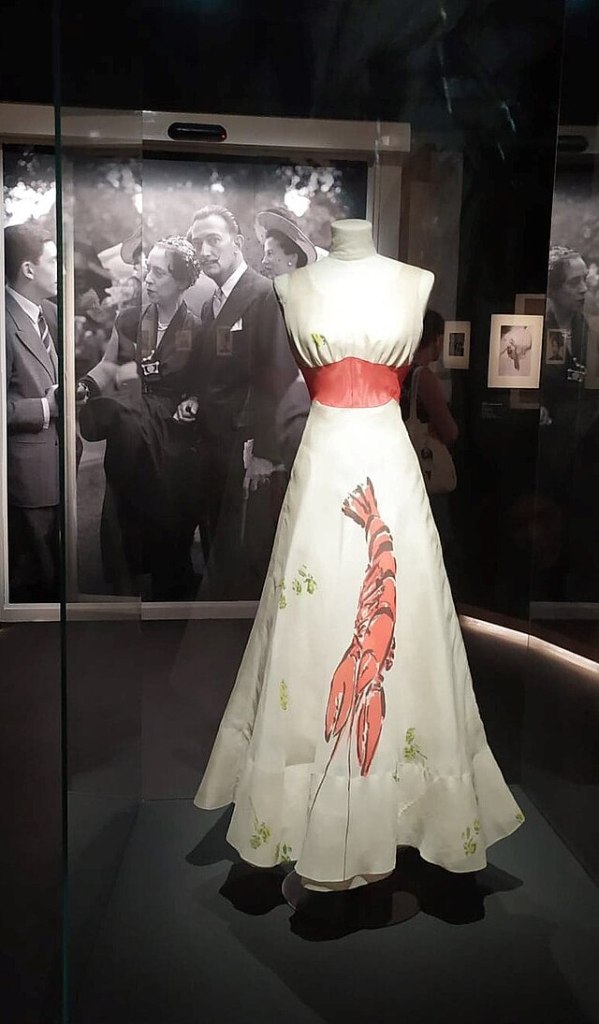
Schiaparelli’s Lobster Dress inspired by Dalí
Undoubtedly a trailblazer, Schiaparelli was among the first fashion houses to incorporate the zipper into garments and is credited as the first to assign themes and names to each collection, creating a narrative cohesion that elevated fashion from mere product to performance. Her designs appeared in John Huston’s Moulin Rouge, most famously the “Shocking Pink” ensemble, which inspired the signature use of “Shocking” in her perfume branding and the title of her autobiography, Shocking Life.
Throughout her life, Schiaparelli faced abundant criticism, including from her rival Coco Chanel, whose conservative approach often clashed with Schiaparelli’s avant-garde vision. Yet, this never deterred her from fully realizing her creative potential.
Today, Schiaparelli continues to be known for its audacity, producing some of the most iconic red carpet looks as well as eye-catching runway shows. In 2014, the brand held its first haute couture runway show since 1954, reintroducing itself to the contemporary fashion scene. It wasn’t long before Schiaparelli was officially awarded the Haute Couture label in 2017, a recognition that affirmed its commitment to the highest standards of craftsmanship and creativity. The appointment of Daniel Roseberry as creative director in 2019 cemented its rebirth, as he continues Elsa Schiaparelli’s legacy of surrealist spirit while blending it with modern silhouettes and trends. One of the most notable collections was the Dante-inspired SS23 collection, which stunned audiences with lifelike animal heads attached to gowns and coats.
Below are some of the iconic moments Schiaparelli has given us—many of which can be summed up in a single word: shocking!
 ALL THE RAGE
Leave a comment